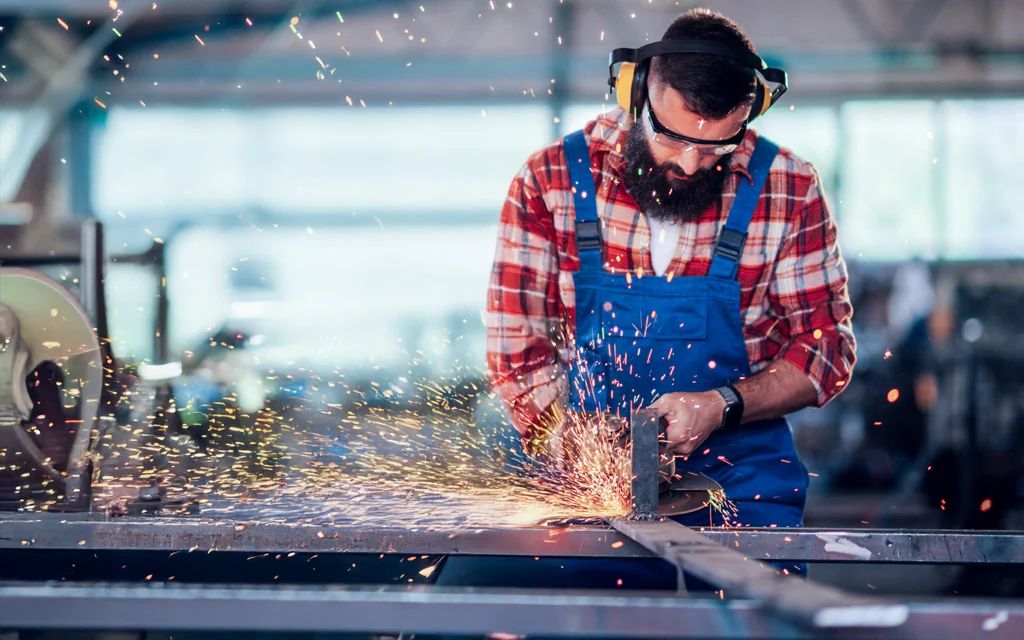
In the metalworking industry, the supply chain plays a crucial role in ensuring efficient production processes and timely delivery of orders to customers. With growing demand for metal products in various sectors, such as construction, automotive and aerospace, manufacturers are constantly improving their supply chains to effectively meet market needs.
One of the main challenges faced by the metalworking industry is the volatility of raw material prices. Fluctuations in the prices of metals such as steel, aluminum and copper have a significant impact on production costs and on companies’ profit margins. To minimize this risk, many companies in the metalworking industry are adopting strategies such as supplier diversification and investment in advanced inventory management systems.
Efficient logistics and transport are essential components. Timely delivery of raw materials to production facilities and of finished products to customers is fundamental to maintaining a competitive advantage in the market. Metalworking companies are increasingly turning to technologies such as tracking systems, route optimization software and real-time monitoring to improve the efficiency and reliability of their operations.
In addition, sustainability is becoming a growing concern in the supply chain, driven by stricter environmental regulations and consumer preferences for eco-friendly products. As such, metalworking manufacturers are under pressure to adopt sustainable practices throughout their supply chain. This includes sourcing raw materials from responsible suppliers, reducing waste and emissions, and improving energy efficiency in production processes. Adopting sustainable practices not only helps companies meet environmental requirements, but also strengthens brand reputation and attracts more environmentally conscious customers.

Webinar on financial and operational management in medicinal cannabis.

Medicinal cannabis, between potential and blockage