A Paradigm Shift
Human integration with intelligent technology, in a new era of industrial transformation.
The Factory of the Future
Industry 5.0 or the “Factory of the Future” is a concept that refers to the integration of advanced technologies, such as Artificial Intelligence (AI), Internet of Things (IoT), Digital Twins, 5G, Additive Manufacturing and Big Data, into industrial production. The goal of the Factory of the Future is to create more efficient, flexible production systems that adapt to changing market conditions and customer requirements. The Factory of the Future should bring significant changes to how industry operates, including the use of robots and automation, the optimization of supply chains and the integration of data across different systems.
In industrial environments, robots perform work that requires a certain cadence or physically demanding tasks safely and effectively.
But Industry 5.0 goes much further. Robots acquire cognitive computing capabilities that synthesize data from multiple sources of information and, through pattern recognition, carry out autonomous tasks.
To be ready for Industry 5.0, there are three main points to keep in mind:
1. Industry 5.0 aims to support, not replace, humans
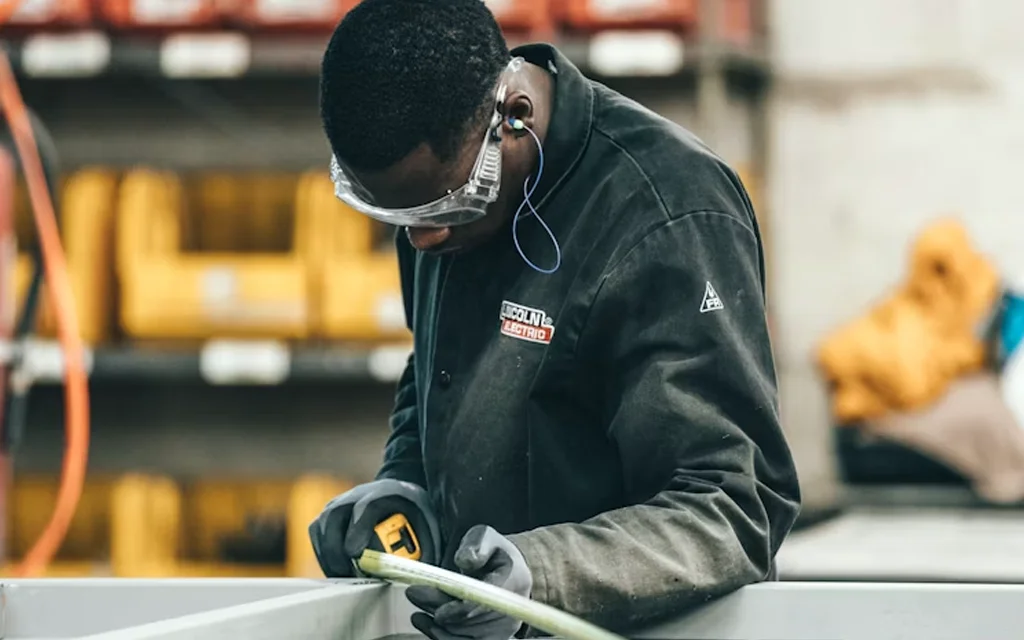
The rise of robotic systems does not mean a reduction in the workforce performing repetitive tasks on assembly lines. Workers can collaborate with robots in perfect symbiosis, without it being a risk to their role. In this process, workers’ openness to a new collaborative reality will be important.
In an article for the ISA (International Society of Automation), Esben H. Østergaard, CEO of REInvest Robotics, says that “By putting humans back at the center of industrial production, Industry 5.0 offers consumers the products they want and gives workers more meaningful jobs.”
2. Balance between efficiency and productivity
The goal of Industry 4.0 is to interconnect machines, processes and systems for maximum performance optimization.
Industry 5.0 takes that efficiency and productivity a step further. It is about refining the collaborative interactions between humans and machines.
3. The path to Industry 5.0 is inevitable.
With technological evolution and data indicating an increase in productivity, manufacturers will want to follow a path that offers benefits and lower risk.
Sustainability
Industry 5.0 promises to use resources appropriate to the current demands of the manufacturing industry, optimizing the use of raw materials and managing energy expenditure, thereby reducing waste and the amount of residues produced.
To ensure sustainability in the manufacturing process, iterative procedures aimed at reusing materials should be improved.
Disruption
Perhaps one of the biggest challenges of Industry 5.0 is the paradigm shift required of companies and their workers, especially those with a more traditional culture and empirical management.
Adopting new processes means companies must invest in education and training, which in turn requires workers to be unequivocally open to transformation, without fear or hesitation. On this path, commitment from all those involved is important.
PT i 5.0 Program
The reality of Portuguese industry is still far from reaching a state of maturity, and the lack of digital literacy is a strong obstacle to innovation, which makes the challenges harder to overcome.
To help industrial companies take this step toward digital, AEP offers a set of capacity-building programs that aim to help narrow the gap between industries.
See the Strategic Program for the Enhancement of Portuguese Industry PT i 5.0

Webinar on financial and operational management in medicinal cannabis.

Medicinal cannabis, between potential and blockage